Cubs Score Today: Opening Day Disaster Unfolds for Chicago as Pitching Woes Mount
The highly anticipated 2026 MLB season kicked off with a disheartening thud for Chicago Cubs fans. On March 26, 2026, the Cubs Opening Day 2026 game against the Washington Nationals at Nationals Park saw the North Siders succumb to a decisive 10-4 loss. This result immediately puts a spotlight on critical areas, particularly the pitching staff, which struggled to contain an invigorated Nationals lineup. The final Cubs Score Today against Washington not only marks a disappointing start to the season but also raises early questions about the team's readiness and depth.
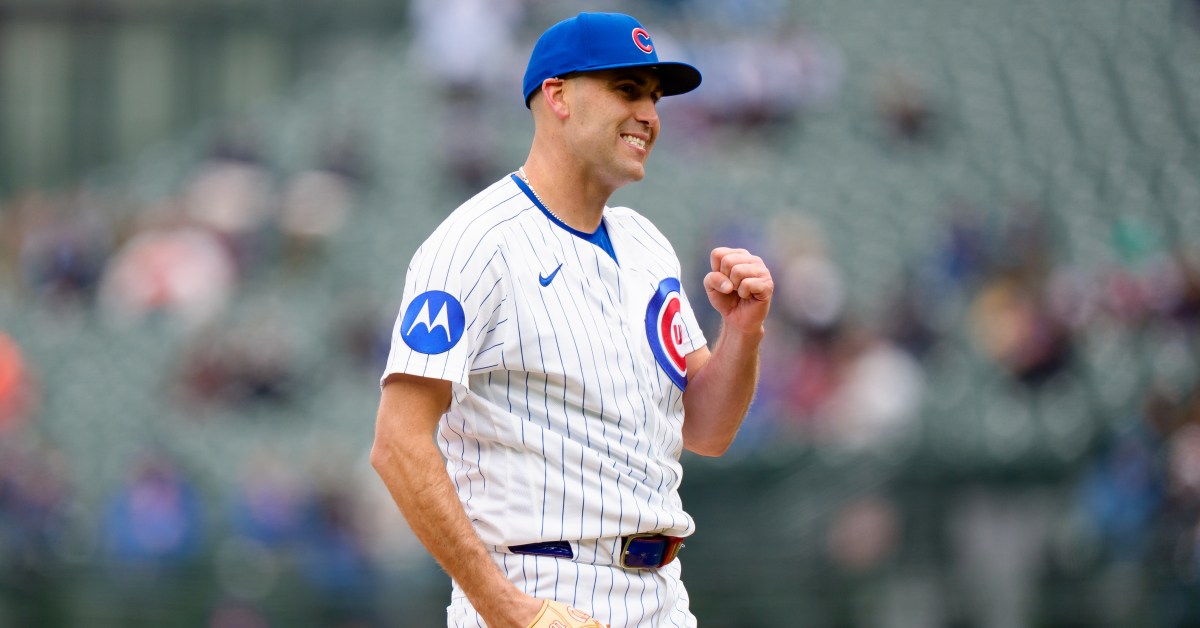
The primary antagonist in this opening day narrative was Cubs starter Matthew Boyd, who, despite a promising initial three innings where he held the Nationals to a single run, completely unraveled in the pivotal fourth. What began as a hopeful outing quickly spiraled, with Boyd surrendering five additional runs in that inning alone, finishing his day with six earned runs on six hits through just 3.2 innings. This left the bullpen with a significant deficit to manage and the offense playing catch-up from the outset. The Nationals’ offense, under the guidance of newly minted manager Blake Butera, exploded with power, featuring home runs from Brady House, Joey Wiemer, and Jacob Young, showcasing a potent attack that the Cubs' pitching simply couldn't withstand.
Adding to the early season jitters, this defeat wasn't an isolated incident. Just two days prior, the Cubs had also dropped a spring training matchup against the New York Yankees with an 8-3 score, suggesting a potential carry-over of issues. While spring training results are often dismissed, back-to-back performances struggling to contain opposing offenses can be a cause for concern as the team transitions into the competitive regular season. The opening day loss underscores a challenging start, placing immediate pressure on the team to regroup and demonstrate resilience in the subsequent games of the series.
Pitching Woes Beyond Boyd: An Early Season Examination
While Matthew Boyd's outing on Opening Day rightfully takes center stage for its immediate impact, a deeper look into the Cubs' early season pitching performances reveals a mixed bag, indicating that the team's "pitching woes" might be a more complex, multi-faceted issue. Boyd's struggles in the fourth inning, characterized by what appeared to be a loss of command and susceptibility to hard contact, forced manager David Ross to go to the bullpen much earlier than anticipated. This not only taxed the relief corps but also demonstrated the fragility of the starting rotation's depth.
The challenge for any team, especially early in the season, is to ensure consistent quality from both the starters and the bullpen. When a starter falters early, the bullpen must be prepared for extended duty, which can have ripple effects on subsequent games, leading to fatigue and potentially less effective arms being deployed in crucial situations. This early season scenario is a strategic nightmare, requiring careful management of pitch counts and reliever availability.
However, it's not all doom and gloom for Cubs pitching. The context provides glimpses of encouraging performances. For instance, rookie Cade Horton threw four-hit ball into the seventh inning during a 10-2 victory over the Nationals, showcasing the potential for strong starts from younger arms within the system. Similarly, Edward Cabrera pitched six shutout innings in a 7-2 win against the Los Angeles Angels, and José Soriano delivered two-hit ball over six scoreless innings in another outing against the Angels, albeit in a game the Cubs ultimately lost 2-0. These examples demonstrate that the talent is there, but consistency across the rotation and bullpen will be paramount. The key for the Cubs will be to replicate these strong performances more frequently and find ways to mitigate the blow-up innings that have plagued them in games like the Opening Day loss.
Navigating the Offensive Landscape: Sporadic Success for Chicago
Beyond the struggles on the mound, the Cubs' offense has also displayed a perplexing inconsistency in the early going. While the team managed four runs on Opening Day, it wasn't enough to overcome the Nationals' onslaught. The reference context highlights further offensive challenges: the Cubs scored just three runs in a 5-3 loss to the Cleveland Guardians, and even more starkly, managed only one run in a 4-1 home opener loss against the Guardians, where rookie Chase DeLauter played a significant spoiler role. Against the Los Angeles Angels, the offense was completely shut down in a 2-0 defeat, managing only two hits through six innings against José Soriano.
This pattern suggests that while the Cubs have the capability to score runs, as evidenced by their 10-2 victory over the Nationals and a 6-2 win against the Angels (where Matthew Boyd ironically struck out 10 for the Cubs), their run production can be sporadic. Key offensive contributors like Ian Happ, who delivered a solo homer against the Angels and a crucial three-run homer in the 10-2 victory against the Nationals, have shown flashes of power. However, the team needs more consistent contributions throughout the lineup to string together wins, especially when the pitching staff has an off night. The ability to manufacture runs, hit with runners in scoring position, and maintain offensive pressure across nine innings will be critical for avoiding low-scoring defeats and supporting their pitchers. For a more detailed look at these varied results, consider reading Chicago Cubs Scores: Mixed Results Against Nationals, Guardians.
Strategic Adjustments & The Road Ahead
With an 0-1 start to the 2026 MLB season, the Chicago Cubs face immediate pressure to make strategic adjustments. Manager David Ross and his coaching staff will be evaluating everything from pitching rotations and bullpen usage to offensive approaches and defensive alignments. For Matthew Boyd, a quick reassessment of his mechanics, pitch selection, and game plan will be crucial before his next start. The mental aspect is equally important; shaking off a rough Opening Day is vital for veteran pitchers and the team as a whole.
For the bullpen, managing workloads effectively will be a daily challenge, especially if starters continue to exit games early. Ross might consider leveraging his long relievers more effectively or exploring strategic matchups to bridge the gap to his high-leverage arms. Offensively, the focus will likely be on achieving greater consistency, finding ways to generate runs even when the long ball isn't present, and capitalizing on scoring opportunities. This could involve small ball tactics, aggressive base running, or simply a more disciplined approach at the plate to drive up opposing pitch counts and get into their bullpens sooner.
The road ahead is long, and one game, even Opening Day, does not define a season. However, the early games set a tone and reveal areas that need immediate attention. Practical advice for any team facing an early slump includes:
- Maintain Communication: Open dialogue between players, coaches, and management to address issues directly.
- Focus on Fundamentals: Revisit basic aspects of hitting, pitching, and fielding to reinforce consistency.
- Next-Game Mentality: Emphasize moving past previous results and focusing solely on the upcoming opponent.
- Leverage Analytics: Utilize data to identify specific player weaknesses or opponent tendencies that can be exploited.
The Cubs have the talent to bounce back, but it will require concerted effort, strategic adjustments, and a renewed focus on execution from every player on the roster. The early season is a time for evaluation and adaptation, and how the Cubs respond to these initial challenges will largely dictate the trajectory of their 2026 campaign.
The Opening Day loss to the Washington Nationals, highlighted by Matthew Boyd's struggles and an anemic offensive output in certain games, serves as a stark reminder of the challenges that lie ahead for the Chicago Cubs. While the Cubs Score Today may have been a disappointment, the extensive MLB season offers ample opportunities for redemption. The early mixed results against teams like the Guardians and Angels underscore a need for greater consistency, particularly from the pitching staff and throughout the batting order. The team's ability to learn from these early setbacks, make necessary adjustments, and harness the potential shown in their stronger performances will be crucial in turning these initial pitching woes into a pathway for sustained success as the 2026 season progresses.